

Choosing the wrong aluminium extrusion alloy can quietly undermine an entire project. A profile that looks identical on a spec sheet may behave very differently once it’s exposed to structural load, coastal humidity, or repeated thermal cycling. For architects, fabricators, and procurement teams sourcing aluminium extrusion alloy at scale, the alloy grade is often the single most consequential decision in the entire specification process — more important than wall thickness, more important than finish, and far more important than price per kilogram.
This guide breaks down the three alloy families most commonly used in extruded aluminium profiles — 6063, 6061, and 6005 — and gives you a practical framework for matching alloy to application.
Why Alloy Selection Matters More Than Most Buyers Realize
Aluminium extrusion alloys share a base element, but their alloying additions (magnesium, silicon, and trace amounts of manganese or copper) change their mechanical properties dramatically. Two profiles with identical cross-sections can differ by 30% or more in tensile strength depending on which alloy was used. This affects:
- Structural capacity — how much load-bearing stress the profile can handle before deforming
- Extrudability — how fine and complex a die design the alloy can accommodate
- Surface finish quality — how well the profile anodizes or powder-coats
- Corrosion resistance — particularly relevant for coastal, marine, or high-humidity export markets
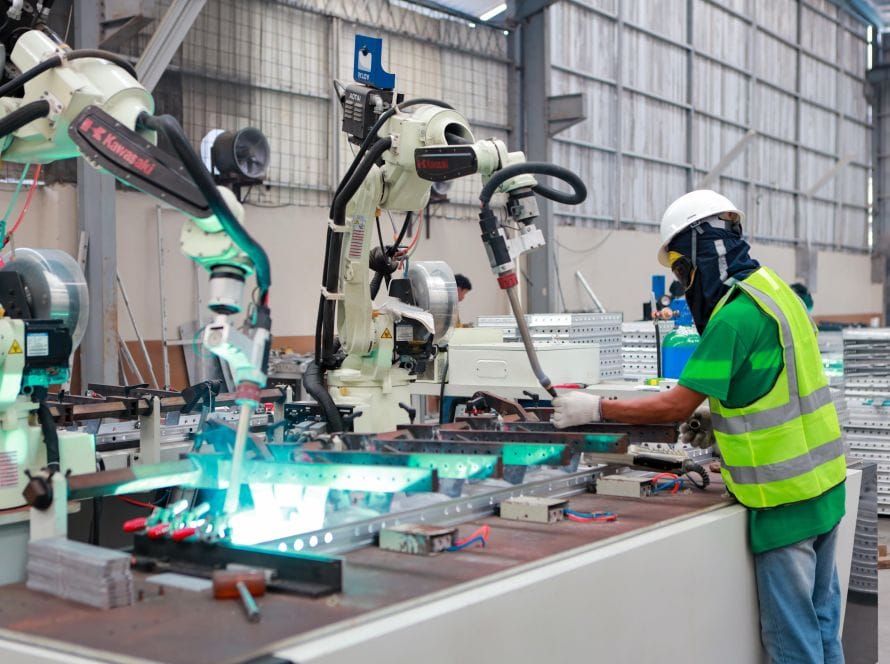
- Machinability and weldability — critical for fabricators doing secondary processing
Getting this wrong doesn’t just cause performance issues down the line — it often shows up as increased rejection rates, inconsistent anodizing results, or profiles that fail during fabrication.
6063 Aluminium Extrusion Alloy: The Architectural Standard
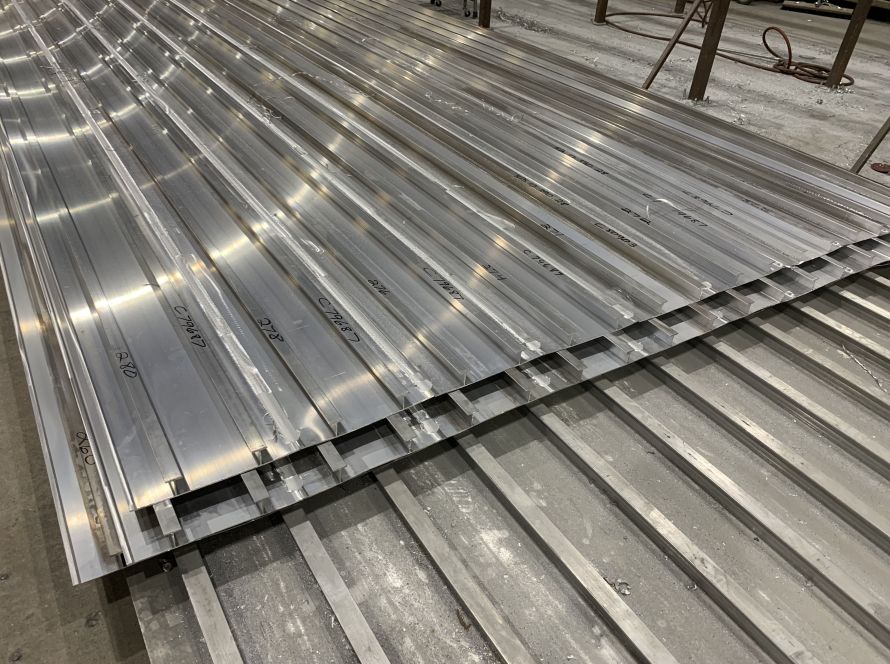
6063 aluminium extrusion is the most widely specified alloy for architectural and decorative applications worldwide, and for good reason. It extrudes cleanly even through intricate, thin-walled dies, takes anodizing exceptionally well, and delivers a smooth surface finish with minimal die lines.
Best suited for:
- Window and door frames
- Curtain wall components
- Interior and exterior architectural trim
- Furniture and shopfitting profiles
Trade-off: 6063 has moderate mechanical strength compared to 6061 or 6005. It’s the right choice when appearance, finish quality, and extrusion complexity matter more than raw structural load-bearing capacity.
6061 Aluminium Extrusion Alloy: The Structural Workhorse
6061 aluminium extrusion trades some of 6063’s extrudability for significantly higher strength. It’s harder to extrude into fine architectural profiles, but it performs well under mechanical stress, machines cleanly, and holds up under repeated fabrication processes like drilling, tapping, and welding.
Best suited for:
- Structural framing and support members
- Transport and equipment components
- Machinery frames and brackets
- Applications requiring post-extrusion machining
Trade-off: 6061 typically has a rougher as-extruded surface finish than 6063, and anodizing results are less uniform on complex profiles. It’s the right call when strength and machinability outweigh cosmetic finish.
6005 Aluminium Extrusion Alloy: The Middle Ground
6005 aluminium profiles sit between 6063 and 6061, offering higher strength than 6063 while retaining better extrudability and finish quality than 6061. This makes it a common choice for medium-to-large structural profiles that still need to look presentable — think curtain wall mullions, solar mounting structures, or load-bearing architectural elements.
Best suited for:
- Solar panel mounting systems
- Larger structural architectural sections
- Profiles requiring both strength and a visible finish
- Applications where 6063 lacks sufficient strength but full 6061-grade mechanical performance isn’t required
A Quick Comparison
| Property | 6063 | 6005 | 6061 |
|---|---|---|---|
| Extrudability | Excellent | Good | Moderate |
| Tensile strength | Moderate | Good | High |
| Anodizing/finish quality | Excellent | Good | Fair |
| Typical use case | Architectural | Structural-architectural | Structural/mechanical |
How to Choose: A Practical Framework
Rather than starting with the alloy, start with three questions about the application:
- What load will the profile carry? Light architectural loads point toward 6063. Genuine structural loads point toward 6061, or 6005 if finish still matters.
- What does the finished surface need to look like? Visible, anodized, or high-spec architectural finishes favor 6063 or 6005. Concealed structural members can use 6061 without concern.
- What happens after extrusion? Profiles that will be heavily machined, welded, or drilled benefit from 6061’s mechanical stability. Profiles that go straight to anodizing and installation are better served by 6063.
In many real projects, the answer isn’t a single alloy — it’s a combination, with 6063 used for visible trim and 6061 or 6005 used for the structural backbone.
Working With the Right Aluminium Extrusion Alloy Manufacturer
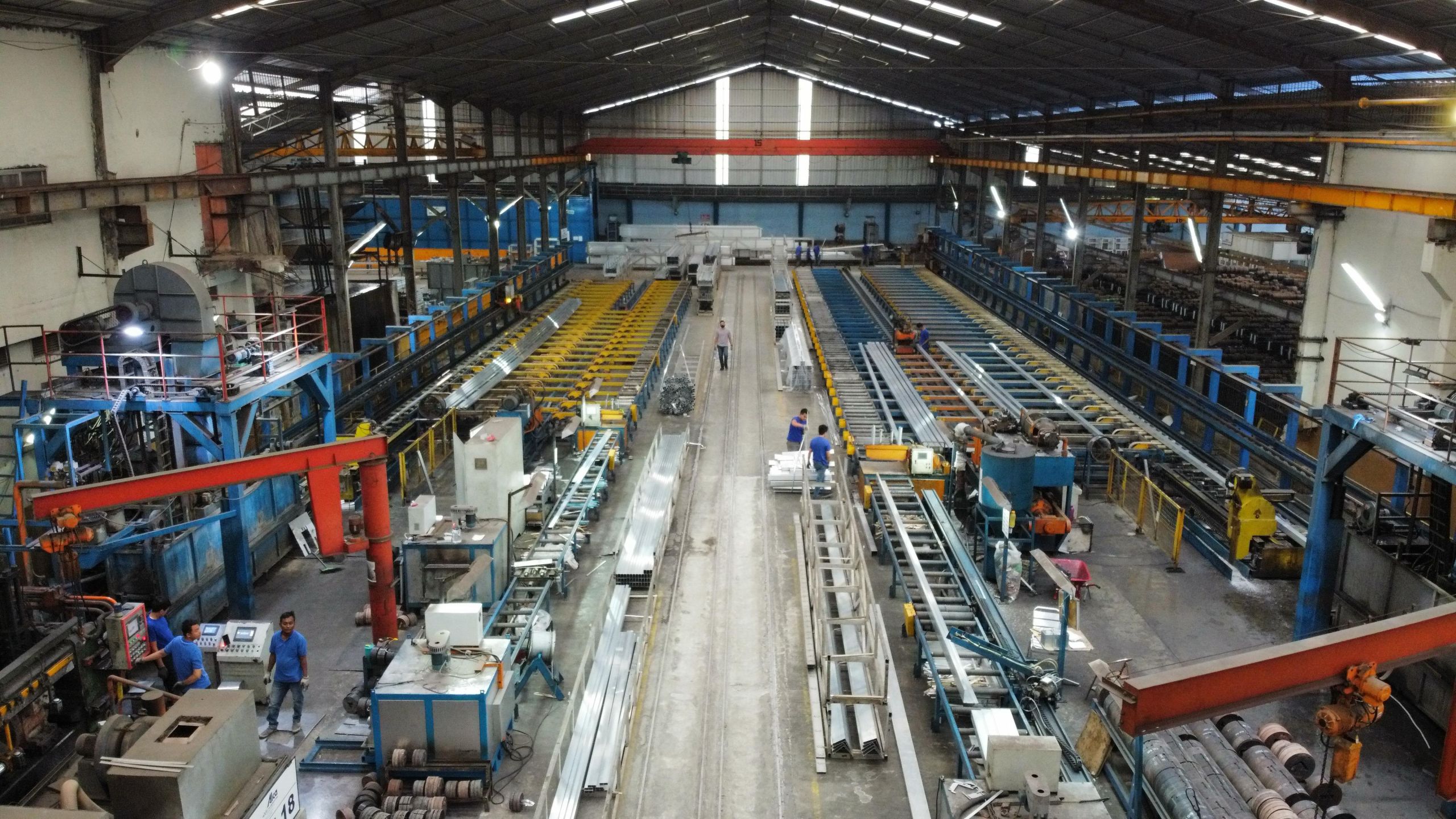
Alloy selection on paper only matters if it’s executed consistently in production. Die design, extrusion temperature control, and aging (heat treatment) all affect whether a 6063 or 6061 profile actually delivers its rated mechanical and cosmetic properties. This is where working with an experienced aluminium profile manufacturer makes a measurable difference — not just in material certification, but in extrusion consistency batch after batch.
For buyers who need profiles engineered around a specific load case, finish requirement, or die geometry rather than picked from a standard catalogue, working with a custom aluminium extrusion supplier that can advise on alloy selection at the quotation stage — rather than after the die is already cut — saves both time and rework.
ALCA extrudes across the 6063, 6061, and 6005 alloy families for buyers across export markets, and works directly with clients during the specification stage to match alloy grade to application before production begins.
Final Thoughts
There’s no single “best” aluminium extrusion alloy — only the alloy that’s best matched to your specific application, finish requirements, and structural demands. 6063 remains the default for architectural work, 6061 for structural and mechanical components, and 6005 for the projects that need both strength and a clean finish. Getting this decision right at the specification stage — before dies are cut and orders are placed — is the difference between a smooth production run and a costly rework.
If you’re specifying profiles for an upcoming project and aren’t sure which alloy fits, reach out to discuss your application before finalizing your order.